Professional Support When Serving a Non-Molestation Order
Assist Process Serving provides professional support with serving a Non-Molestation Order throughout England and Wales. We work with solicitors, legal professionals, support organisations and individuals who need an order served promptly, carefully and with appropriate supporting documentation. Our nationwide network includes more than 90 experienced process servers. Non-Molestation Orders are protective court orders. Instructions can be urgent and may involve sensitive personal circumstances, so they are handled discreetly and respectfully.

WHAT TO EXPECT
Under the Family Procedure Rules, the applicant must generally arrange for the respondent to be personally served with the order as soon as reasonably practicable. The applicant must not personally serve the documents. The rules allow for exceptions where the court makes a different order or other specific provisions apply.
Understanding Non-Molestation Orders
A Non-Molestation Order is a protective order that can be made by the family court under Part 4 of the Family Law Act 1996.
It may be used to protect an applicant or a relevant child from abuse, harassment, threats or violence by a named person. The person against whom the order is made is generally referred to as the respondent.
The terms of an order can vary according to the circumstances of the case. It is important to check the sealed order, any accompanying documents and the court’s directions before arranging service.
The Family Procedure Rules require a copy of a Non-Molestation Order to be delivered to the relevant police station, together with a statement confirming that the respondent has been served with the order or informed of its terms.
Assist Process Serving does not provide legal advice. If you need advice about an application, the terms of an order or what action to take, please speak with your solicitor, the court or an appropriate specialist support organisation.

Arranging Service After an Order Is Made
A Non-Molestation Order may be made with notice or without notice to the respondent. The court’s directions and the wording of the order should always be checked before service is arranged. Where an order is made without notice, the respondent must generally be personally served with:
- 01.
Service Requirements
Where an order is made without notice, the respondent must generally be personally served with a copy of the order, a copy of the application, any statement supporting the application, and where applicable, a copy of the court’s written reasons.
- 02.
Procedural Rules
The Family Procedure Rules set out these requirements and state that service should take place as soon as reasonably practicable, unless the court directs otherwise or a specific exception applies.
- 03.
Submit Your Instruction
Send us the sealed papers and the required deadline. We can review the instruction and explain the available process serving options.
Discreet and Practical Process Serving
Assist Process Serving arranges personal service through a nationwide network of more than 90 experienced process servers. Our service includes:
- 01
Personal service instructions across England and Wales
- 02
Standard, priority and same-day first-attempt options
- 03
A careful approach to sensitive instructions
- 04
Progress updates for the instructing party where appropriate
- 05
A statement of service once service has taken place
- 06
Electronic service where applicable and authorised
What to Send When Instructing Us
Providing clear information at the outset helps us review the instruction and arrange service without unnecessary delay. Please send:
- 01.
Send Your Documents & Instructions
A sealed copy of the Non-Molestation Order
- 02.
Choose the Required Service Speed
The application and supporting documents, where relevant
- 03.
A Process Server Attends
Any hearing notice, court directions or additional orders
- 04.
Receive Proof of Service
The respondent’s full name, date of birth if known and a recent photograph where available
- 05.
Receive Proof of Service
The full service address and any alternative addresses, such as a workplace or family address, where relevant
- 06.
Receive Proof of Service
A clear deadline for service
- 07.
Receive Proof of Service
Relevant information about access, known routines or safety considerations
- 08.
Receive Proof of Service
Your reference number and preferred contact details
Statement of Service and Relevant Documentation
After service has taken place, Assist Process Serving provides a statement of service.
This records relevant details of the service for the instructing party’s records and potential use in court proceedings. The exact form or evidence required can depend on the documents served and any directions made by the court.
HM Courts and Tribunals Service publishes Form FL415 for recording how and when papers under the Family Law Act 1996 were served, and who they were served on.

Non-Molestation Order Process Serving Costs
Standard Service
Professional process serving adhering to standard court and statutory schedules.
- Up to three attempts at personal service
- Electronic service where applicable
- Statement of service included
Priority Service
Accelerated instruction handling for time-sensitive filings and legal notices.
- First attempt within 24 hours
- Up to three attempts at personal service
- Electronic service where applicable
- Statement of service included
Same-Day Service
Immediate dispatch for critical court claims, emergency injunctions, and petitions.
- Same-day first attempt
- Up to three attempts at personal service
- Electronic service where applicable
- Statement of service included
The appropriate service option will depend on the deadline, time the instruction is received, service address and circumstances. For urgent instructions, please tell us the exact date and time by which service is required. A cancellation charge of £50 + VAT applies if papers have already been printed. The full fee applies if the process server is already travelling to the service address when cancellation is requested.
Serving Non-Molestation Orders Nationwide
Assist Process Serving accepts instructions to serve Non-Molestation Orders throughout England and Wales. Our nationwide network supports instructions in London, Birmingham, Kent, Essex, Merseyside, South Wales, the West Midlands and selected LL postcode areas, alongside other locations nationwide.
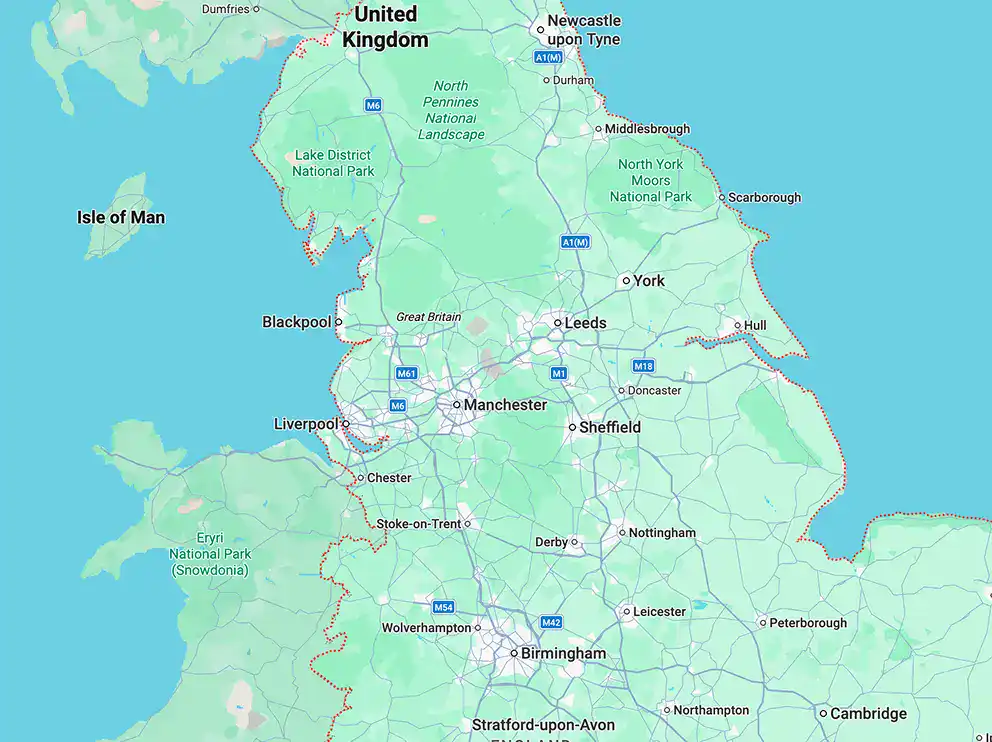
Find out more about local process serving support:
- Can you help if I do not know where the respondent is?
Trace enquiries may be available at an additional cost where an address is incomplete, outdated or unknown. The results depend on the information available and cannot be guaranteed.
- Will I receive proof that the order has been served?
Yes. Once service has taken place, we provide a statement of service. Form FL415 may be relevant for papers served under the Family Law Act 1996.
- Who can serve a Non-Molestation Order?
The applicant must not personally serve the application or order on the respondent. The court rules allow an applicant acting without a legal representative to ask the court officer to arrange service. A solicitor or another suitable third party may also arrange service in line with the court’s directions.
- Does a Non-Molestation Order need to be personally served?
Personal service is normally required. The Family Procedure Rules require the respondent to be personally served with the order as soon as reasonably practicable, unless the court makes a different order or another specific provision applies.
- Can you provide legal advice about my Non-Molestation Order?
No. Assist Process Serving does not provide legal advice. For advice about your order, safety or court proceedings, please contact your solicitor, the court or an appropriate support organisation.
- Can you serve a Non-Molestation Order the same day?
Yes. Same-day service includes a same-day first attempt. Availability depends on when we receive the instruction, the service address, the documents provided and the circumstances of the case.
- Can you help with serving a Non-Molestation Order?
Yes, we arrange service of Non-Molestation Orders across England and Wales, with a discreet approach to sensitive instructions. Under the Family Procedure Rules, the respondent must generally be personally served as soon as reasonably practicable and an individual applicant must not serve the papers themselves.
Need Help Serving a Non-Molestation Order?
If you need help serving a Non-Molestation Order, send us the sealed order, any related documents, the respondent’s service address and your deadline. We will review the instruction and explain the available next steps.
Please include:
- 01The Sealed Order & Related Court Documents
- 02Respondent Details
- 03Alternative Location
- 04Service Deadline
- 05Court Directions & Safety